Case Study: Shawnee, Kansas
A City-Church Partnership That Turned “Good Intentions” Into a Culture of Service
A Church That Wanted to Matter Outside Its Walls
Pastor Chris Winn planted Community Life Church in 2004 with a desire to impact the community for Christ. A few years in, he challenged his church with a sobering test:
“If our church disappeared tomorrow, would anybody notice?”
That question sparked a shift from good intentions to a long-term strategy: become a valuable asset to the city so that city leaders and residents would genuinely feel the difference.
Some of the Primary Outcomes Included:
A sustained city–faith–nonprofit roundtable structure
A widely-used resident support program: Neighbors Helping Neighbors
A “serve-first” civic culture that reduced barriers between City Hall and residents
Featured Voices

Pastor Chris Winn
A church leader who reframed success as citywide impact and helped convene a serving coalition.

Elizabeth Griffith
A City Volunteer Coordinator who helped build and administer Neighbors Helping Neighbors.
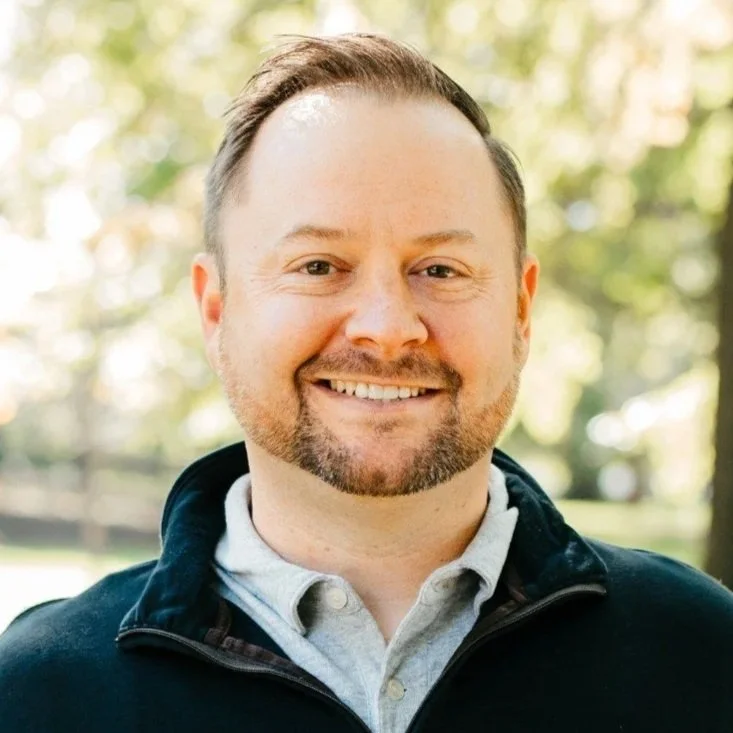
Nolan Sunderman
A former City Manager who championed the partnership and helped strengthen its structure and culture.
Building Trust Before Building Programs
Instead of starting with a church-led plan, Shawnee’s faith leaders pursued relationship and credibility first through:
Engagement through the Shawnee Chamber of Commerce
Taking a city leadership class that connected pastors with city staff and community leaders
Meeting for a consistent pastor prayer gathering focused on the city’s needs
Making a decision to approach the mayor and city manager with no agenda
Pastors met with city leadership and asked one clear question: “What are the needs of our city—and how can we serve?”
It took time to believe churches weren’t there to complain, demand, or campaign. But once trust formed, the mayor and city staff shared a list of real needs—many of them needs the city simply didn’t have the staffing to address alone.
The System: Quarterly Roundtables & City Volunteer Coordinator
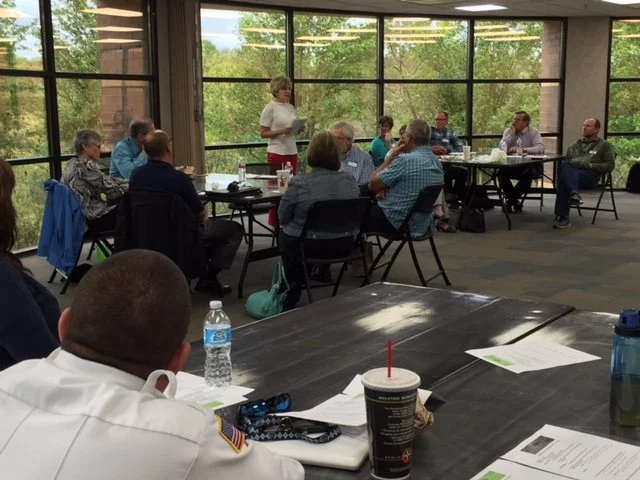
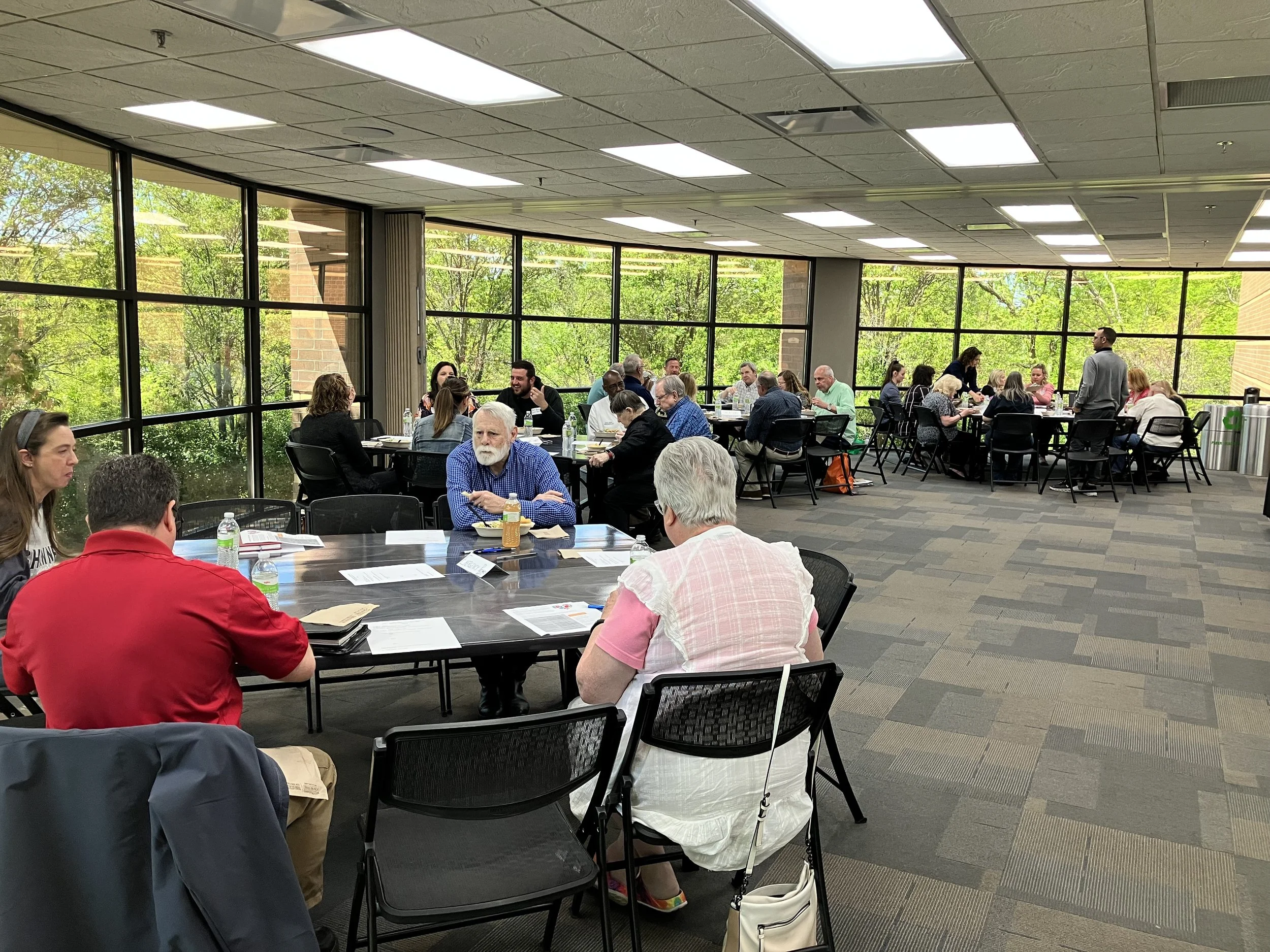
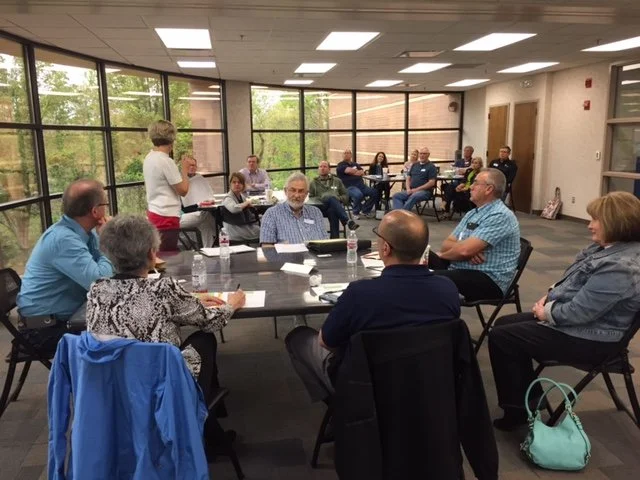
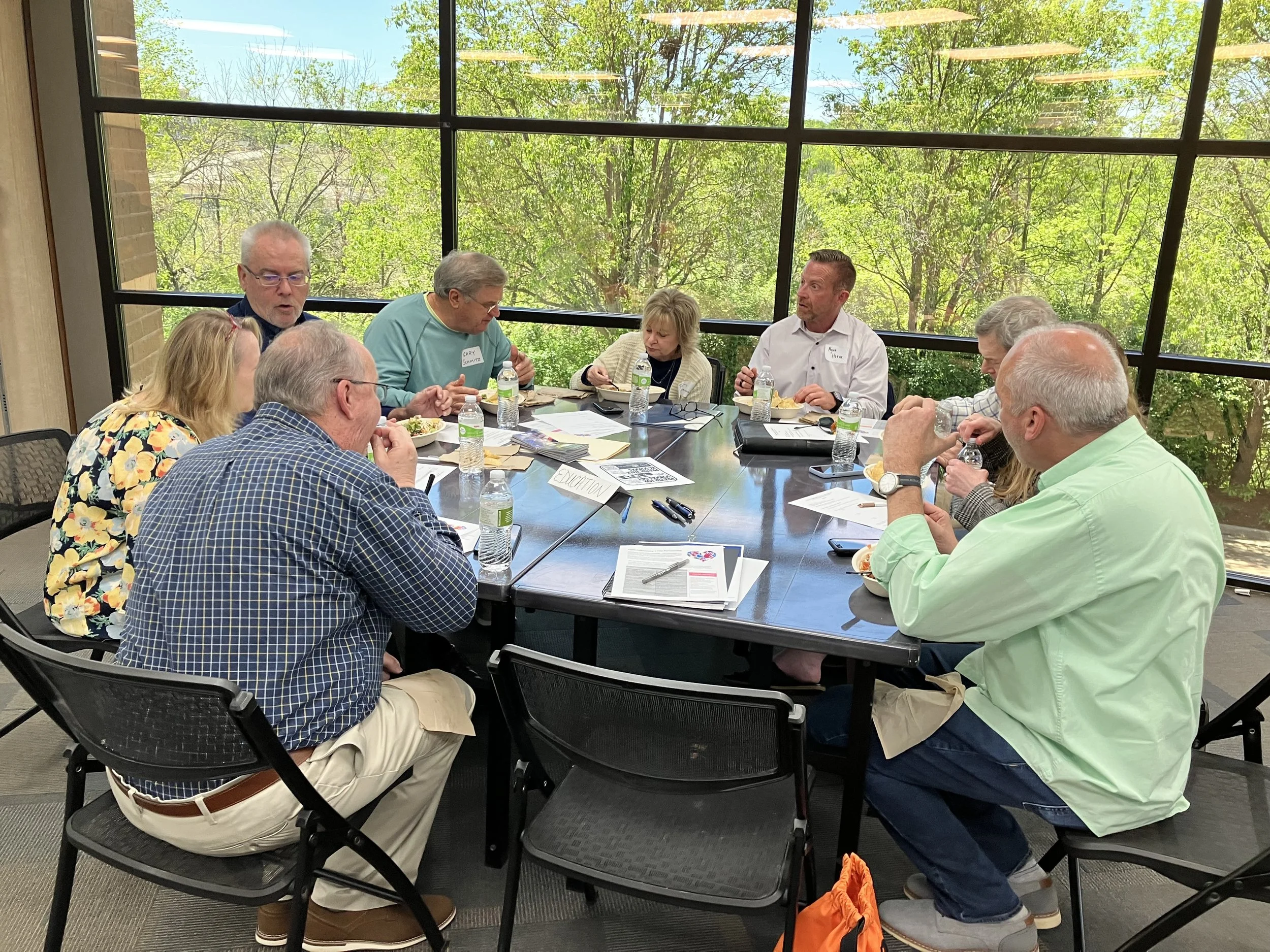
The partnership became a predictable rhythm: a quarterly working lunch where stakeholders could share needs, build relationships, and mobilize support.
Around the table:
City leaders (mayor, city manager, department heads)
Police and fire leadership
Pastors and church leaders
Nonprofits and civic organizations
Creating a Position in City Hall: Volunteer Coordinator
Heads up the Neighbors Helping Neighbors Program
Connects the faith community and other groups with citizens in need to help out
Former city manager Nolan Sunderman described one of the biggest outcomes of these initiatives was breaking down barriers between residents and City Hall simply because people had served together. City staff gradually gained a trusted extension of support. Churches gained clarity on real needs as well as meaningful ways to engage those around them.
The Strategy: Four Lanes That Made Collaboration Simple
City needs were organized into four action lanes that would be simple enough for churches and nonprofits to join easily.



The Four Catalyst Lanes
Community Needs
Education
Spiritual Support
Emergency Preparedness
Those lanes became the foundation for ongoing coordination, so this wouldn’t be just a one-time project.
The Results
Annual Impact:
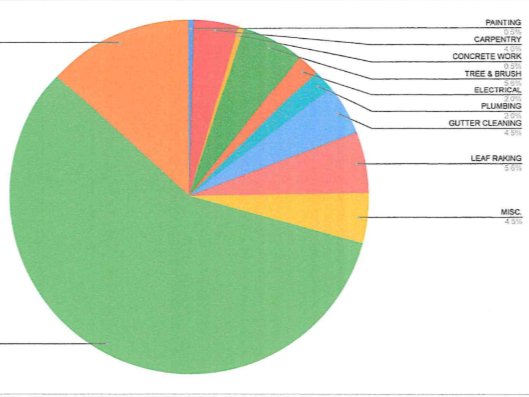
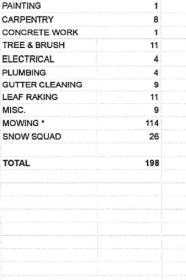
762 volunteer hours to Neighbors Helping Neighbors requests in 2025
60+ volunteers, often that helped out repeatedly
Combined contributions worth over $35,555!
Sustained Impact:
13+ years of quarterly roundtables and ongoing collaboration
A long-running resident support program serving seniors and residents with disabilities
Increased cross-department volunteer engagement (codes, public works, fire, police)
Community Recognition:
The Innovative Program Award was given by the National Association of Volunteer Programs to the Neighbors Helping Neighbors program.
In 2024, the partnership was recognized by the local chamber with a “Heart of the Community” style award
Why This Worked
1) Churches didn’t lead with a project. They led with humility.
They asked city leaders what mattered most.
2) Trust was developed gradually and consistently.
The partnership took time to prove sincerity and consistency.
3) The Round Tables stayed steady even as leadership changed.
There was support across multiple mayors and city managers, reinforcing that this was bigger than one person or season.
4) The goal wasn’t “a program.” The goal was change in culture.
As Elizabeth put it, “The long-term hope is that Neighbors Helping Neighbors becomes normal, not just because a program exists.”