Case Study: Round Rock, TX
When a City Builds the Structure and Churches Bring the Hands
Round Rock didn’t stumble into neighborhood transformation. Pastors and city leaders built their partnership around a simple shared goal: continuously serve their city well. The city built a dedicated department to strengthen neighborhoods, reduce barriers for residents, and mobilize community resources—then partnered with churches and volunteer groups to make it practical.
The result is an approach that helps neighborhoods become cleaner, safer, more connected, and more resilient.
Some of the Primary Outcomes Included:
City Structure: Community & Neighborhood Services Department (plus Neighborhood Services programs)
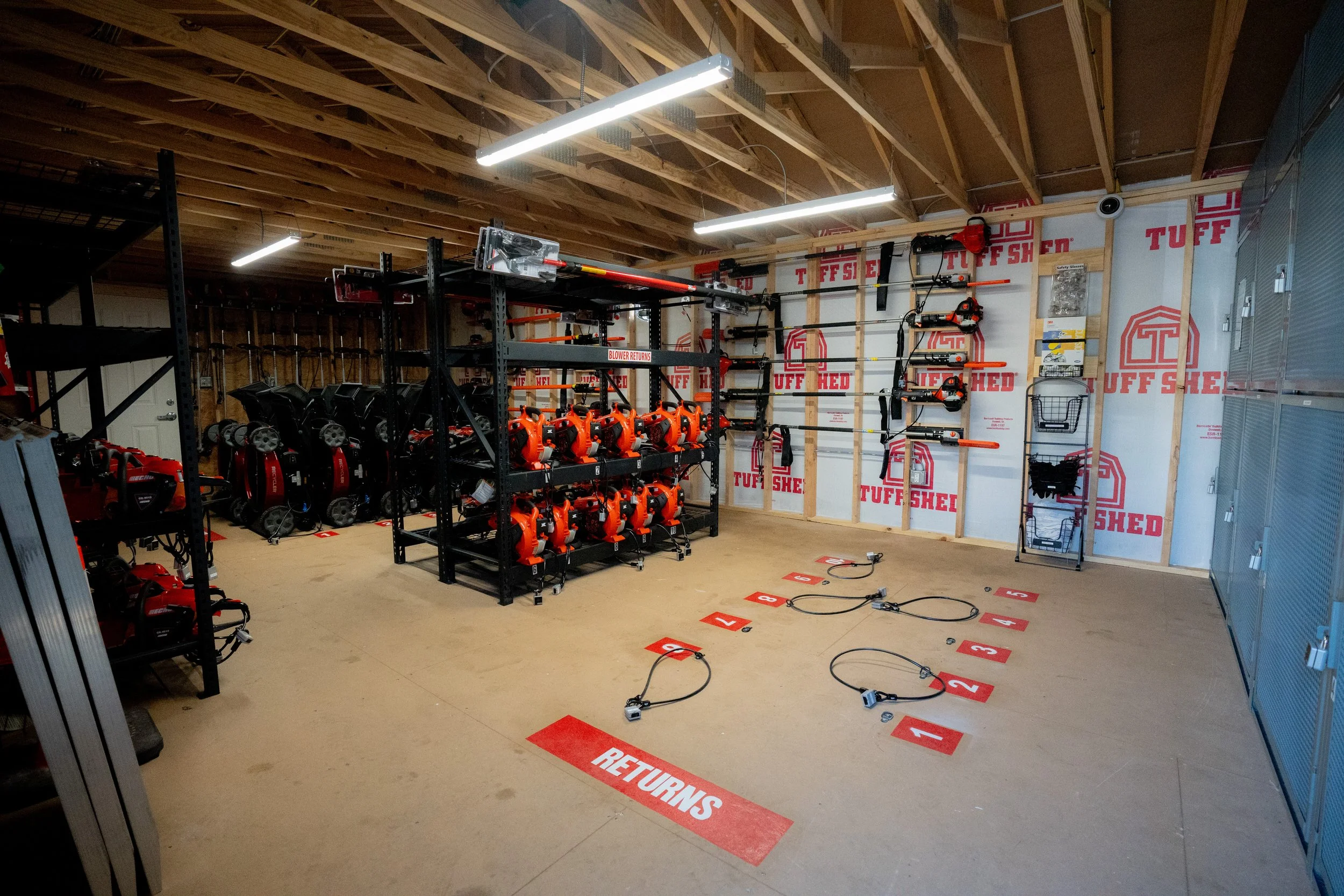
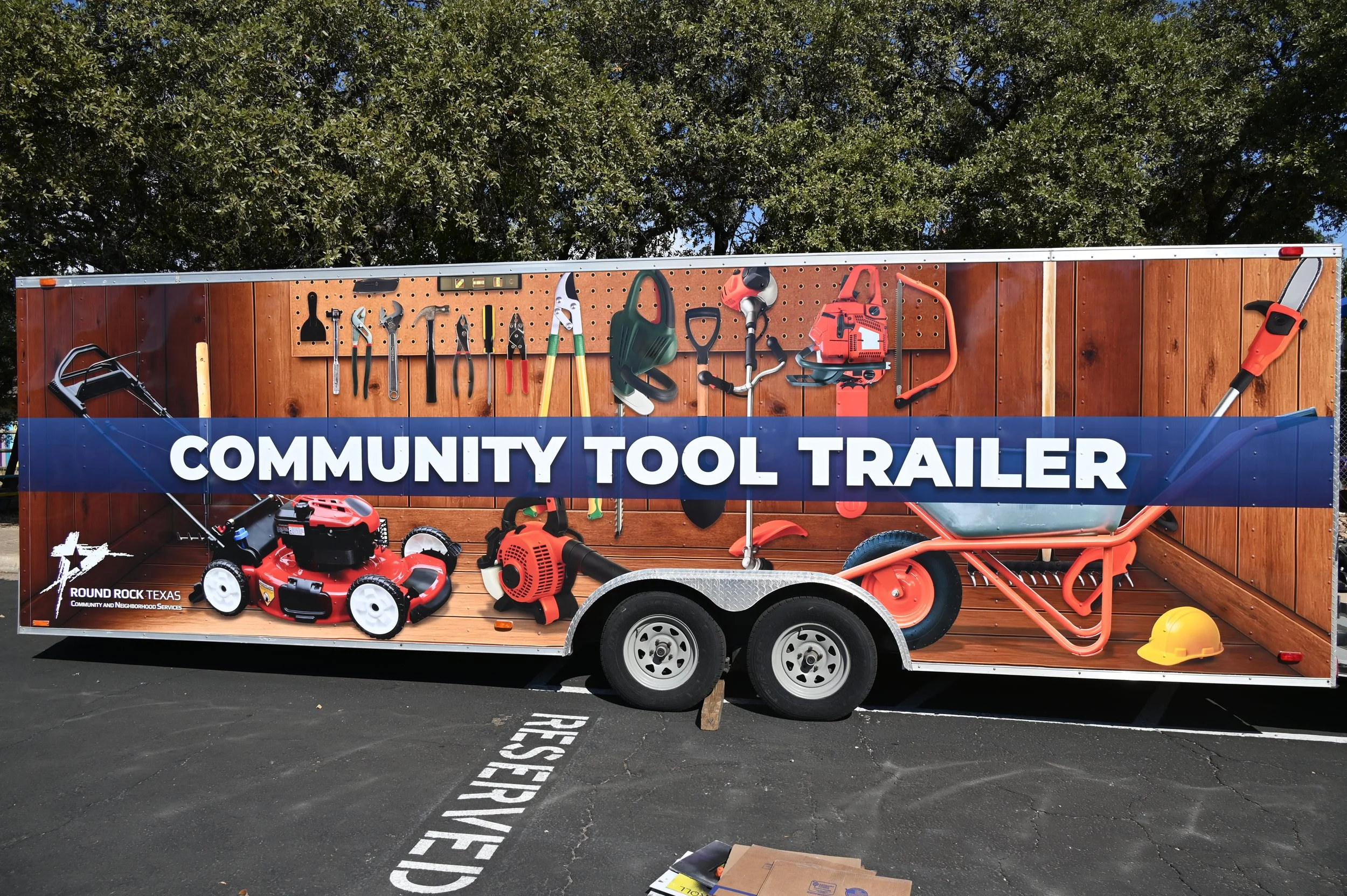
Signature tools: Tool Depot + Community Tool Trailer for organized projects
Signature rhythm: Neighborhood cleanups + targeted volunteer help for residents who can’t do the work themselves
Featured Voices
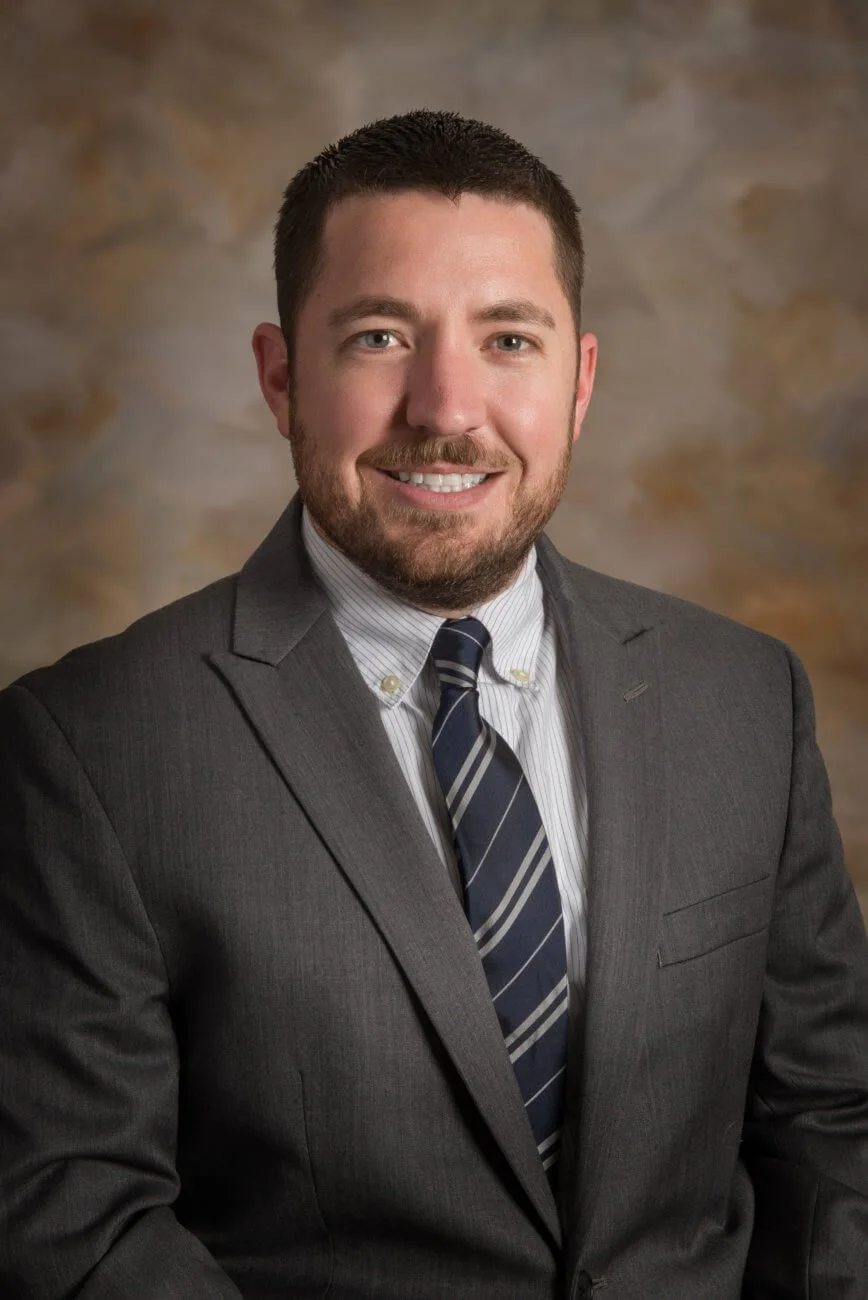
Joseph Brehm
Round Rock Community and Neighborhood Services Director
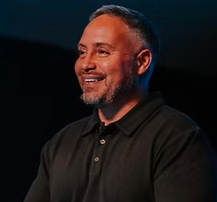
Pastor Benito Fresquez
The lead pastor at Freedom Church in Round Rock, TX who initially met with Joseph Brehm to start serving the city better.
City Leader Y
A City Manager who…
In Round Rock, Neighborhood Work Isn’t a “Side Quest.”
Round Rock’s Community and Neighborhood Services Department exists to enhance quality of life by giving residents resources that build community and preserve “clean, safe, and desirable neighborhoods.”
Instead of treating neighborhood concerns as isolated complaints, this model treats them as community-building opportunities to:
strengthen neighborhoods from the inside out
make it easier for residents to care for their homes
create volunteer pathways that support (not replace) city responsibilities
The System
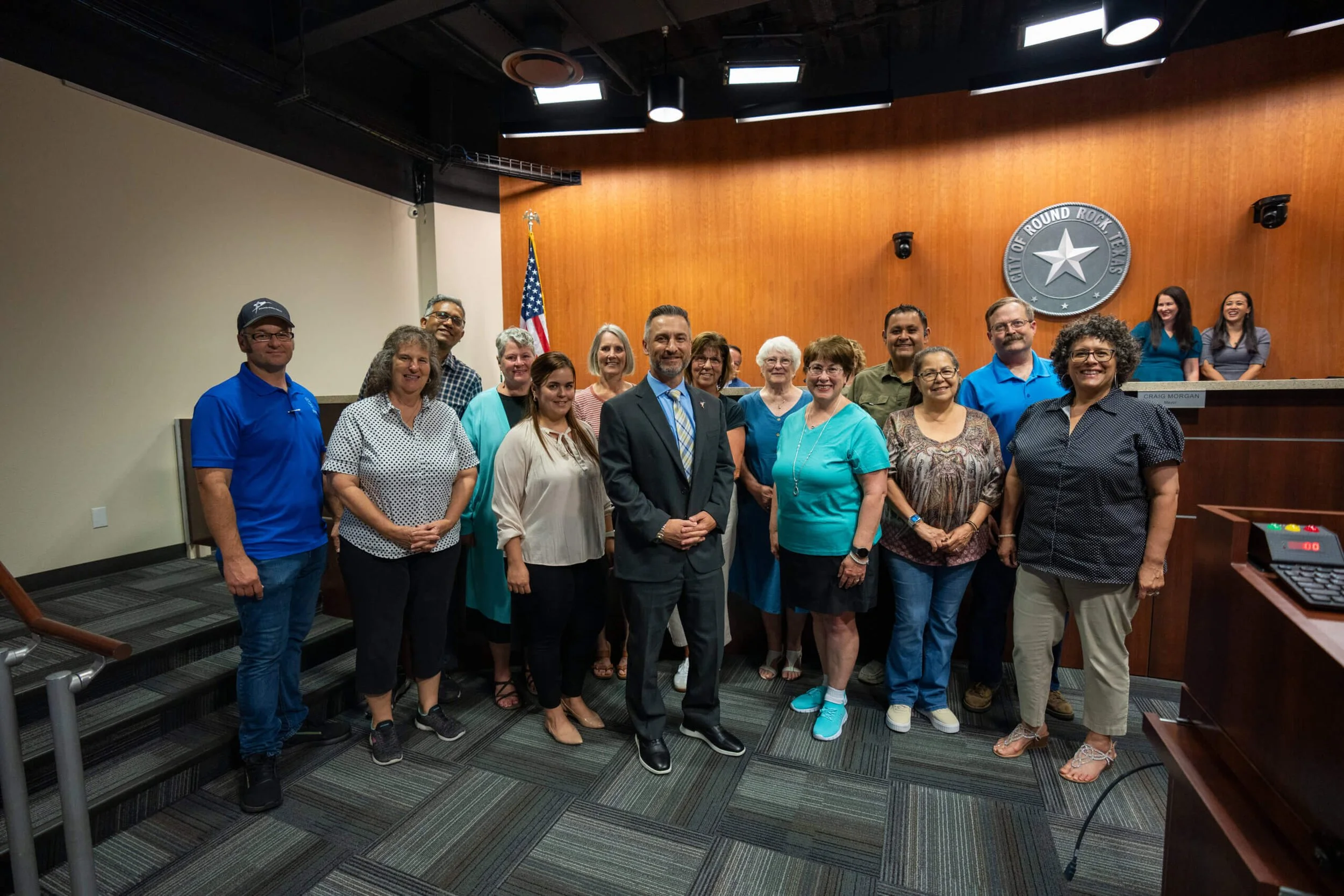
Instead of churches trying to identify needs on their own, the city provided trusted assessment and coordination. Joe became the “boots on the ground” connection point between the city and churches, helping identify legitimate needs and organize projects effectively.
Pastor Fresquez described the local church as “the greatest untapped resource in the city.” Churches brought:
Volunteers
Skilled labor
Financial resources
Community trust
Relational influence during times of crisis and division
He emphasized that churches can often stabilize communities in ways government agencies alone cannot.
AND
Creating a Position in City Hall: Community and Neighborhood Services Director
Heads up these efforts and connects volunteers with opportunities
Connects the faith community and other groups with citizens in need to help out
Projects focused on practical needs including:
Home repairs for vulnerable residents
Neighborhood cleanups
Assistance for widows, disabled veterans, and struggling families
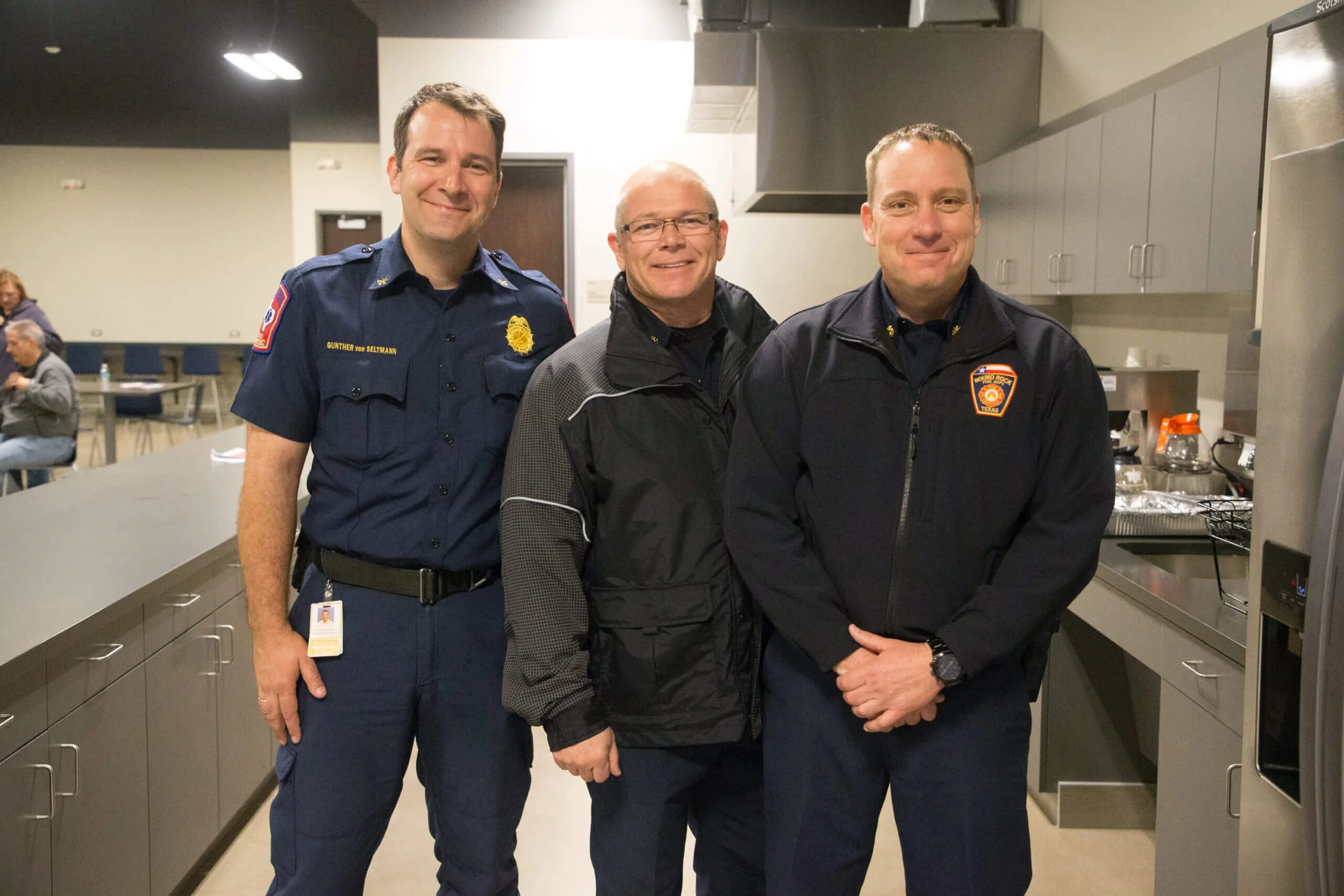
Partnerships with city departments including fire services
The city coordinator helped ensure resources were directed toward legitimate, high-impact needs rather than being misused.
The Strategy
City needs were organized into three action lanes that would be simple enough for churches and nonprofits to join easily.
The Three Catalyst Lanes
Tool Depot
Neighborhood Unity Efforts
Volunteer Training and Utilization
Those lanes became the foundation for ongoing coordination, so this wouldn’t be just a one-time project.
The Tool Depot + Tool Trailer: “A Library…But With Tools”
Round Rock’s model removes a common barrier: many residents can’t afford or store the tools needed to maintain a home and yard.
The city offers two complementary resources:
Tool Depot (individual tool checkout system)
Community Tool Trailer (deployed for organized neighborhood projects like cleanups, where volunteer groups are available)
The city notes that tool lending has been available since 2014 through the Community Tool Trailer, which launched in April 2014 and was supported by a Home Depot donation of tools.
Why it’s powerful: it turns neighborhood care into something residents can actually do—without buying equipment they’ll only use occasionally.
The Missing Piece: Volunteers (and Why Churches Fit So Naturally)
Here’s the key constraint: municipalities can’t simply send publicly funded staff to improve private property.
In a call with Director Joseph Brehm, he explained that state law prevents using city staff time to enhance private property—no matter how much staff would want to help.
So Round Rock built a bridge: The city provides the project structure, tools, and coordination, churches provide willing people, and residents with genuine need aren’t left behind.
Pastor Frescus emphasized that the partnership succeeded because churches consistently showed up over time—not just during annual events. While Love the Rock became a visible large-scale initiative every two years, churches continued responding whenever needs arose.
This steady service created significant trust and credibility with:
City council members
Local government leaders
Residents
Emergency response teams
Churches became viewed as dependable community partners.
More Than Cleanups: Programs That Build Neighborhood Connection
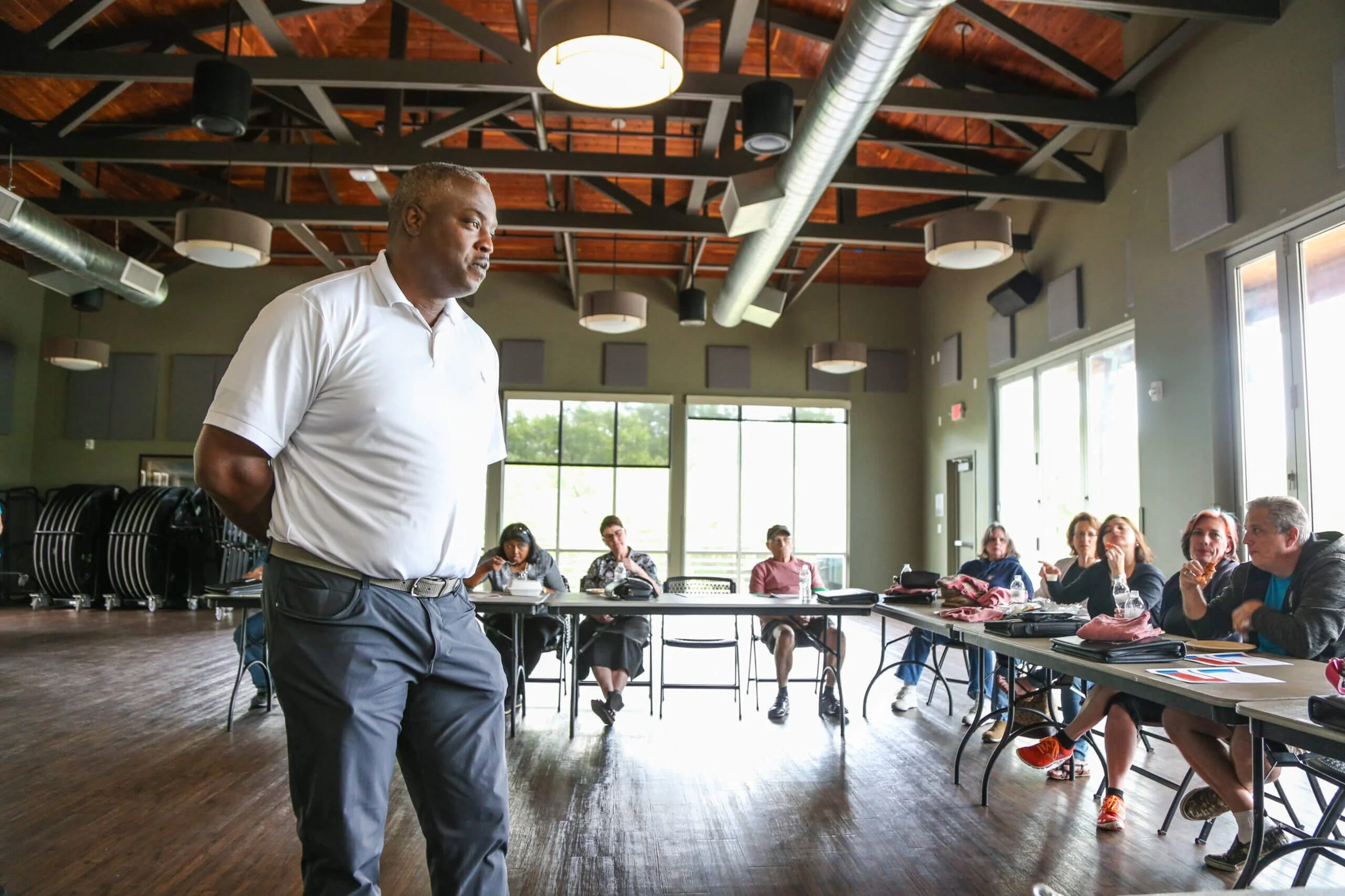
Pastor Benito Fresquez described an early moment of conviction when he asked, “If our church ceased to exist, would the city even notice?” That question became the catalyst for long-term collaboration with the city. By partnering with Round Rock’s Neighborhood Services that provide community-strengthening tools, the church sends volunteers and promotes community events that make it easier for neighbors to know each other and lead well:
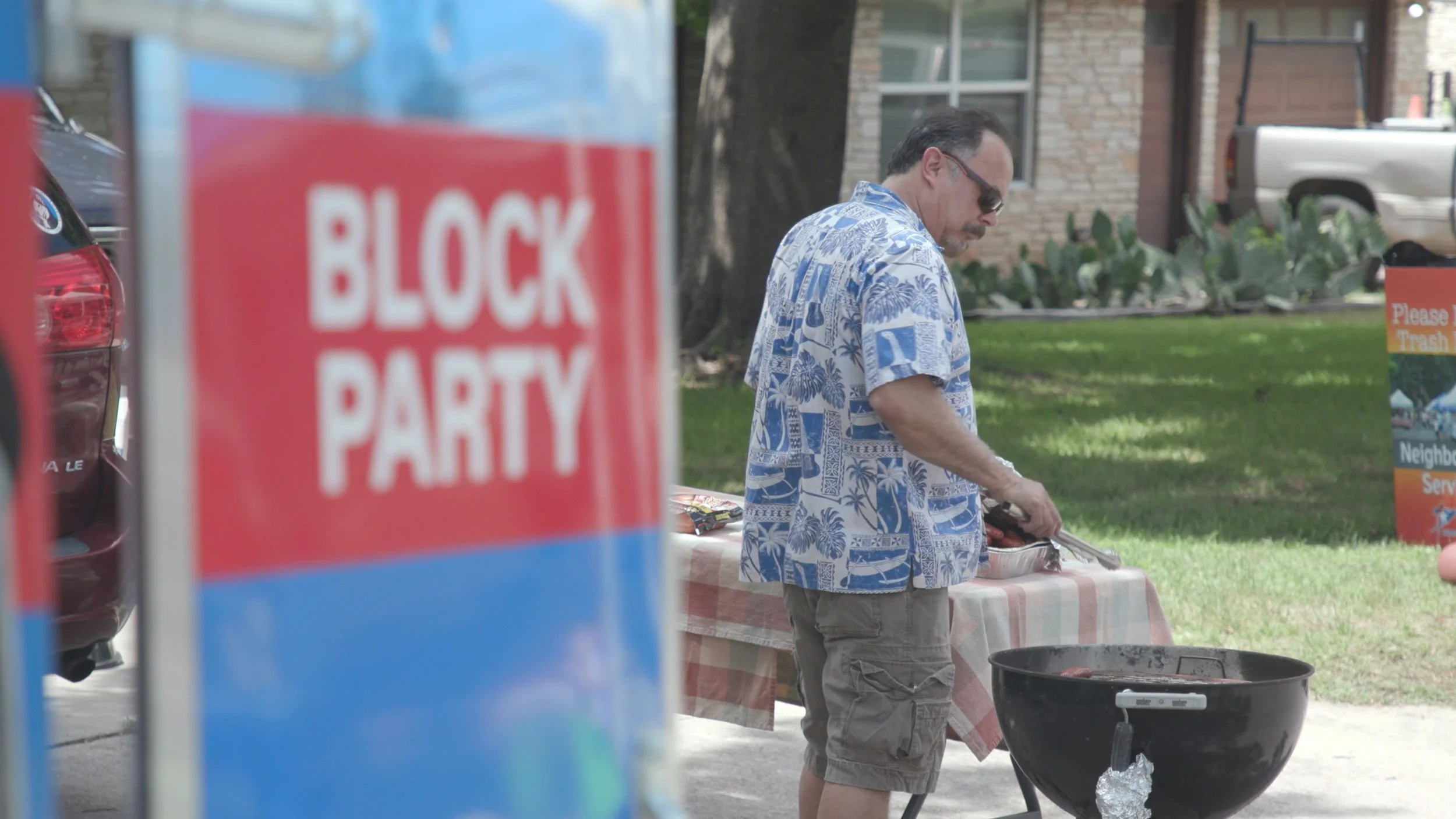
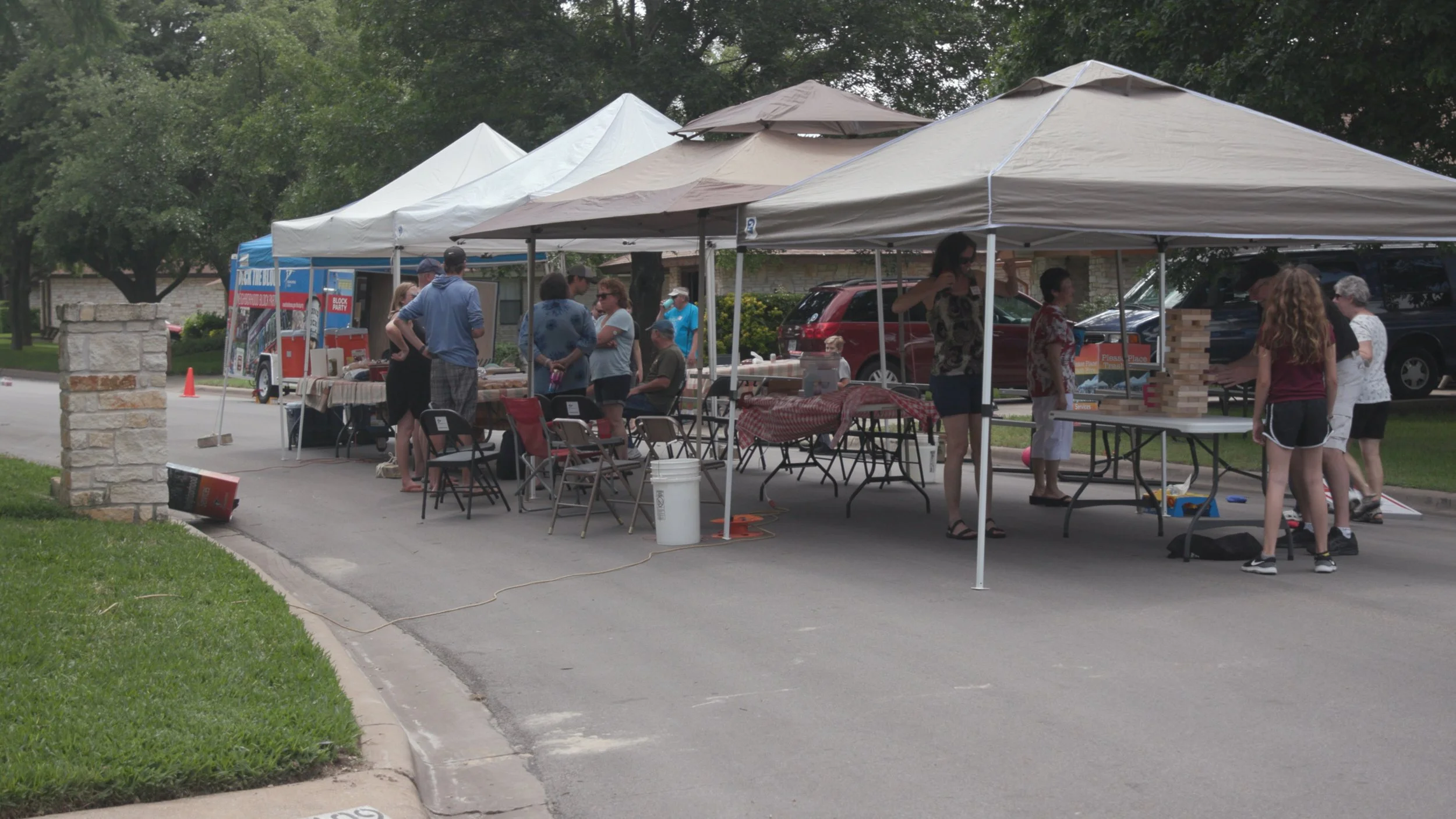
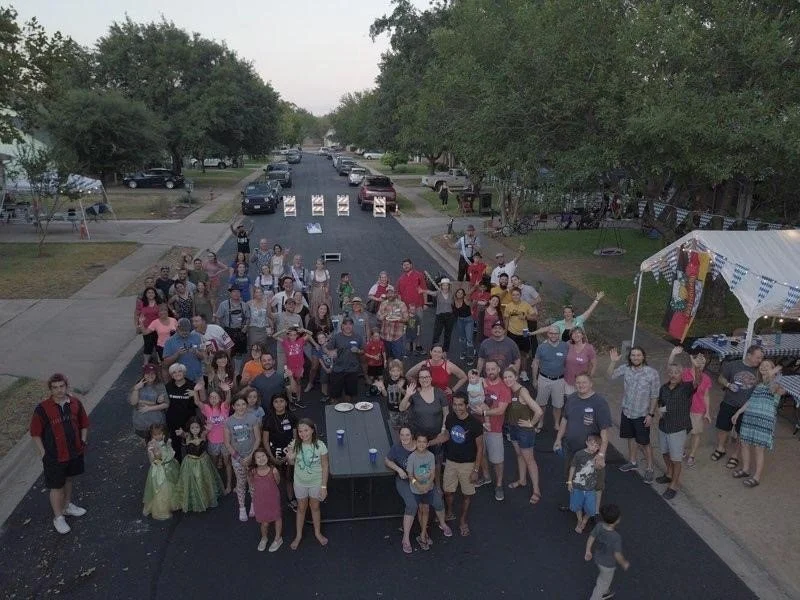
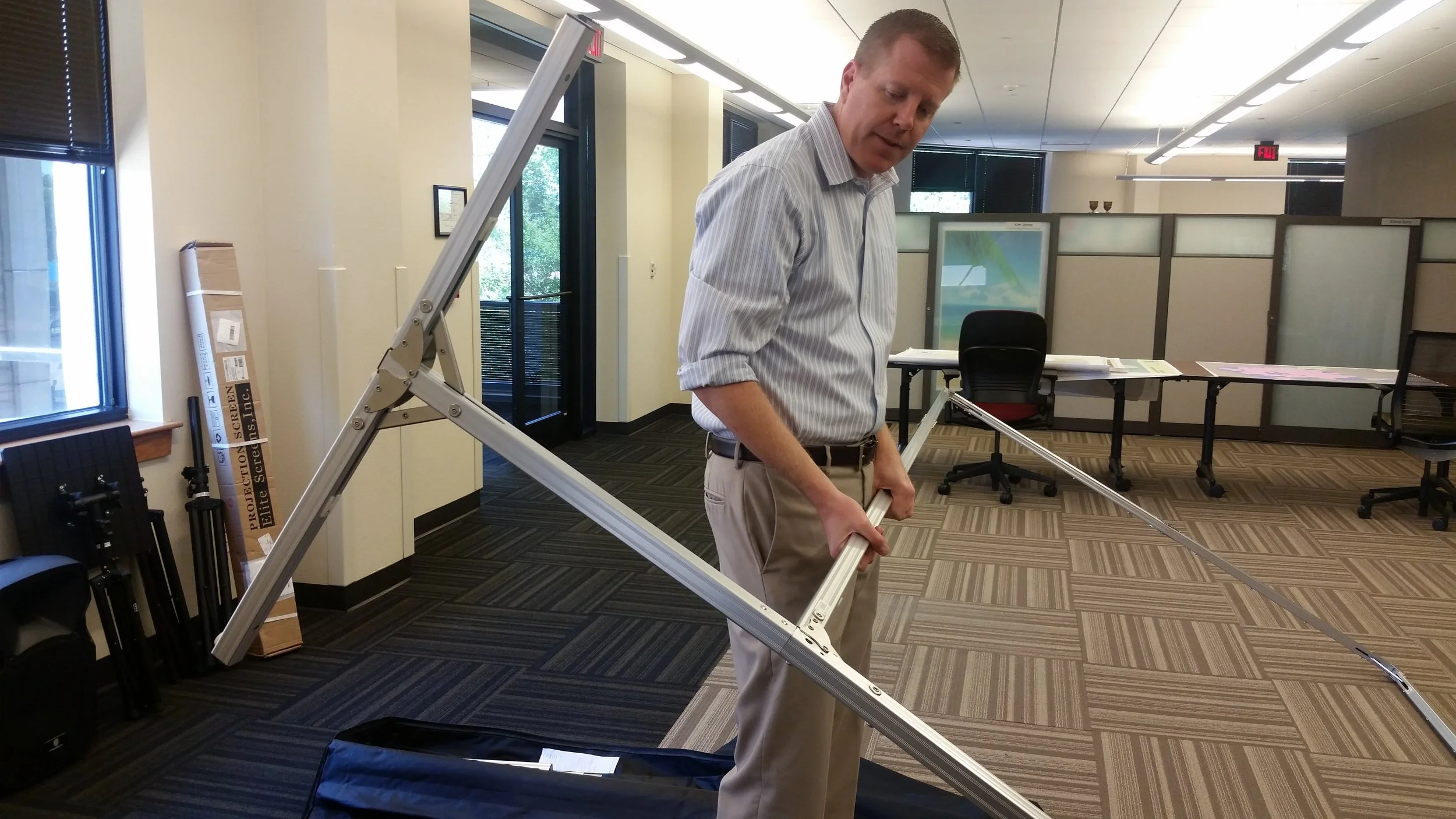
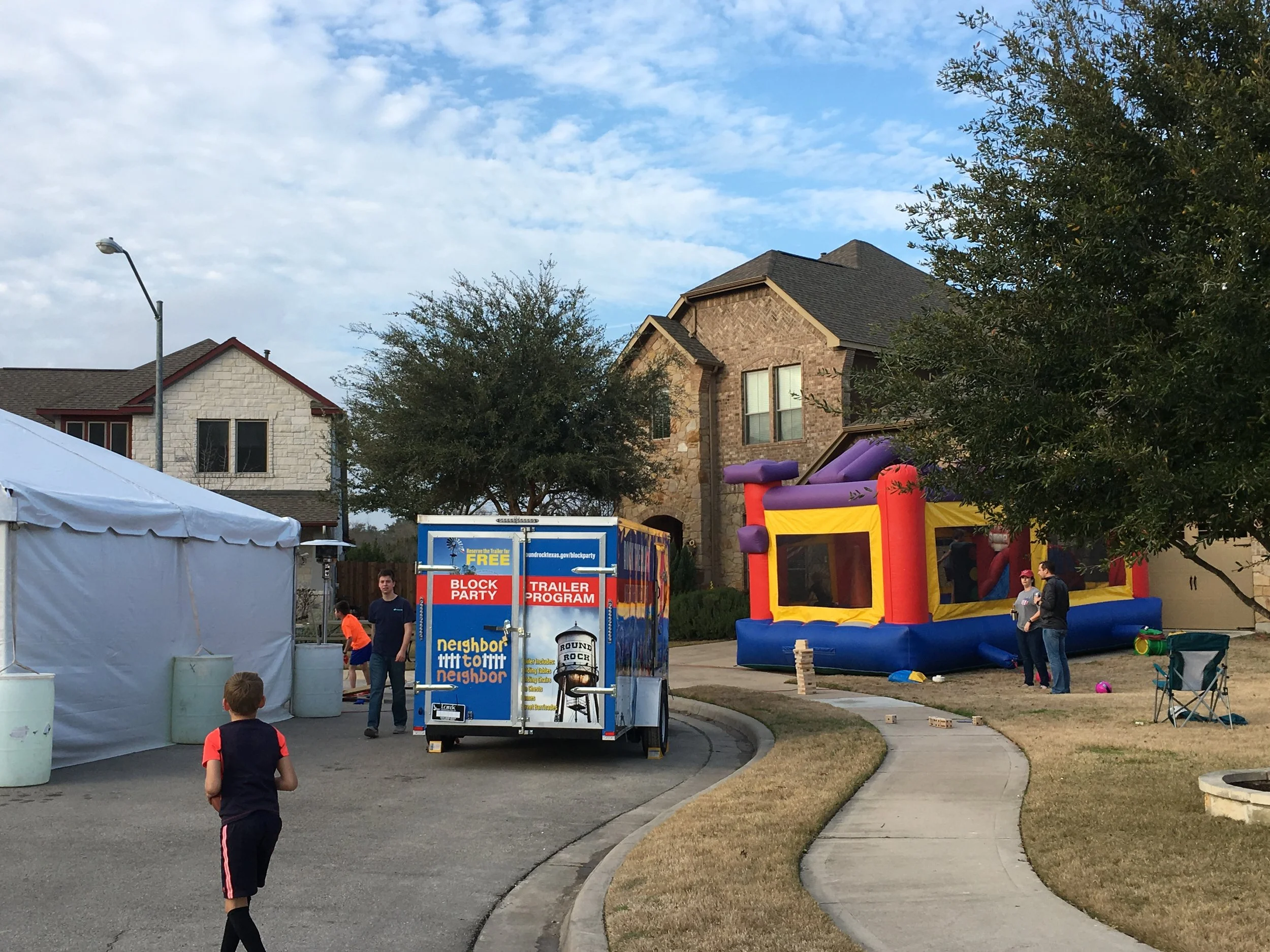
Block Party Trailer (tables, chairs, games, sound system—available at no cost)
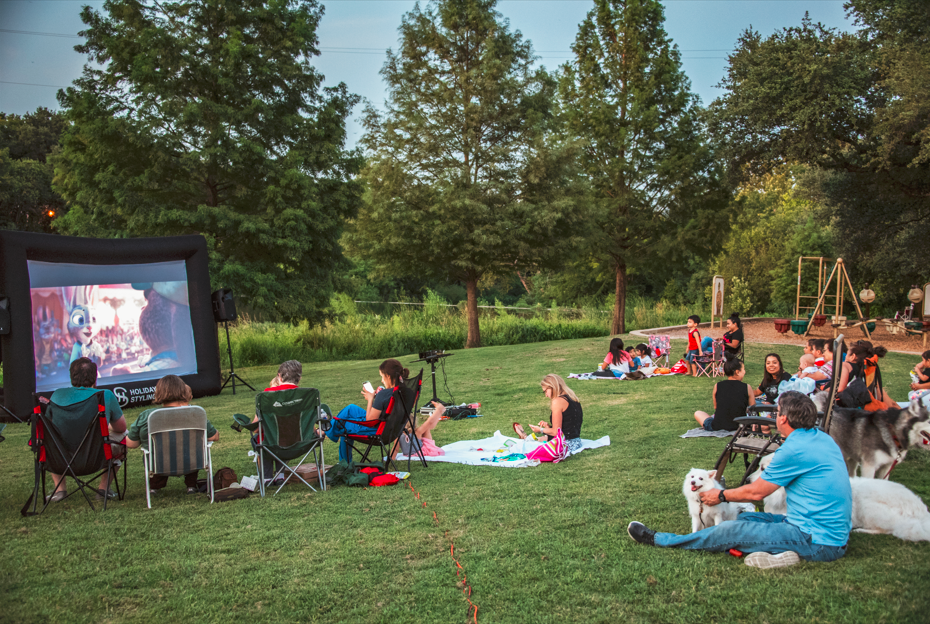
Neighborhood Movie Chest (movie night kit for neighborhoods)
Teen UniverCity / UniverCity (programs designed to engage and educate residents—especially students—about city operations and civic leadership)
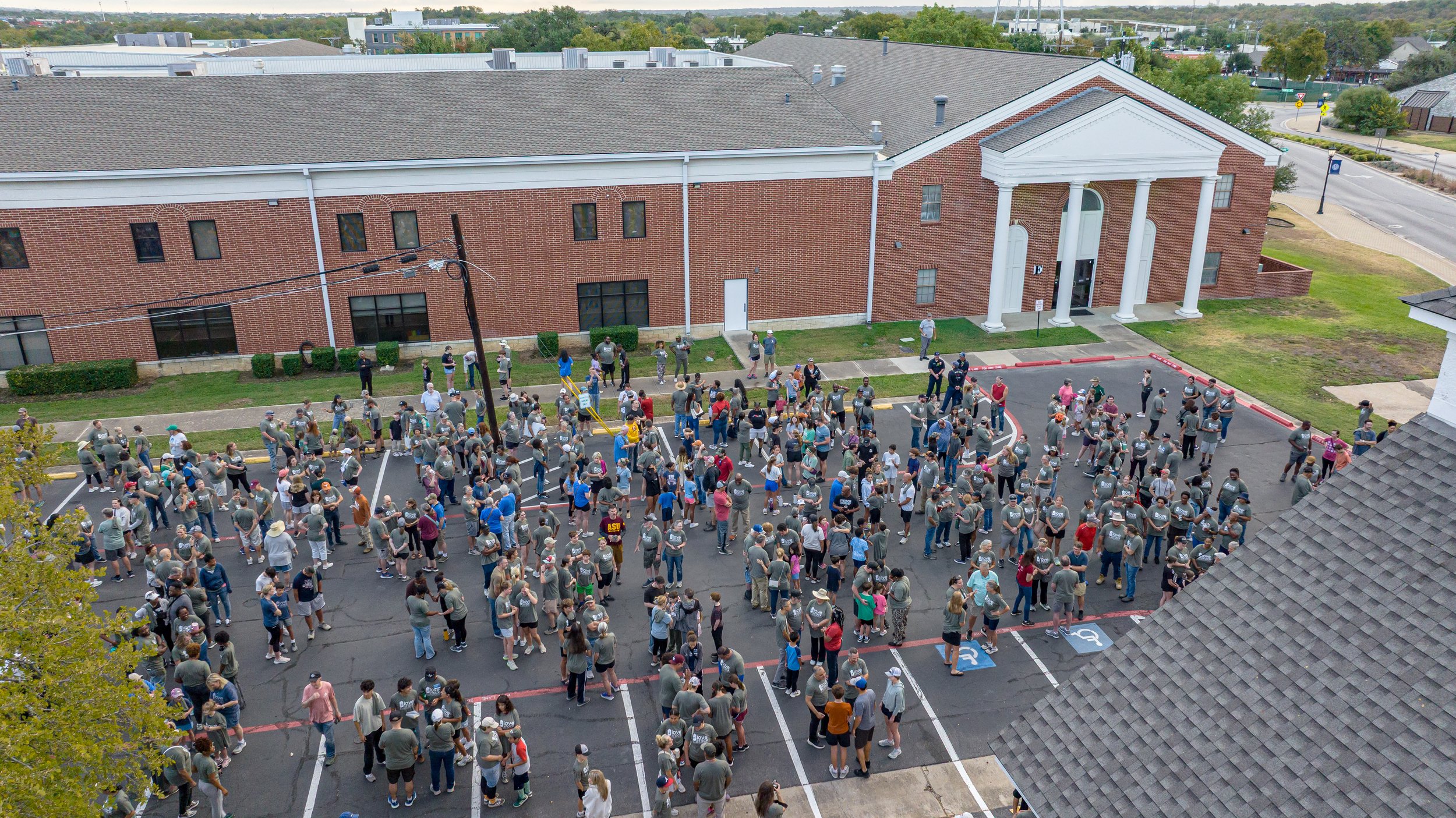
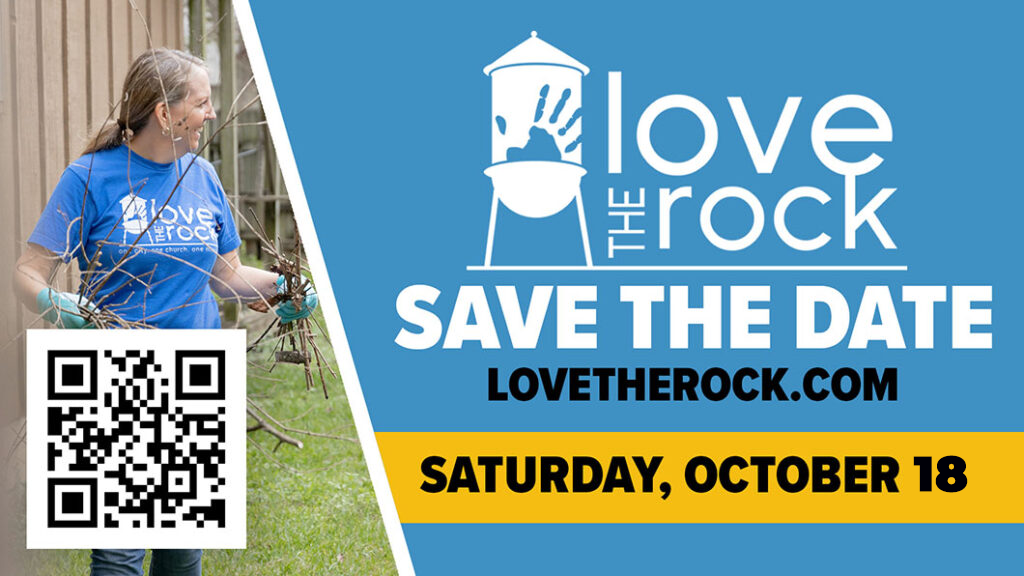
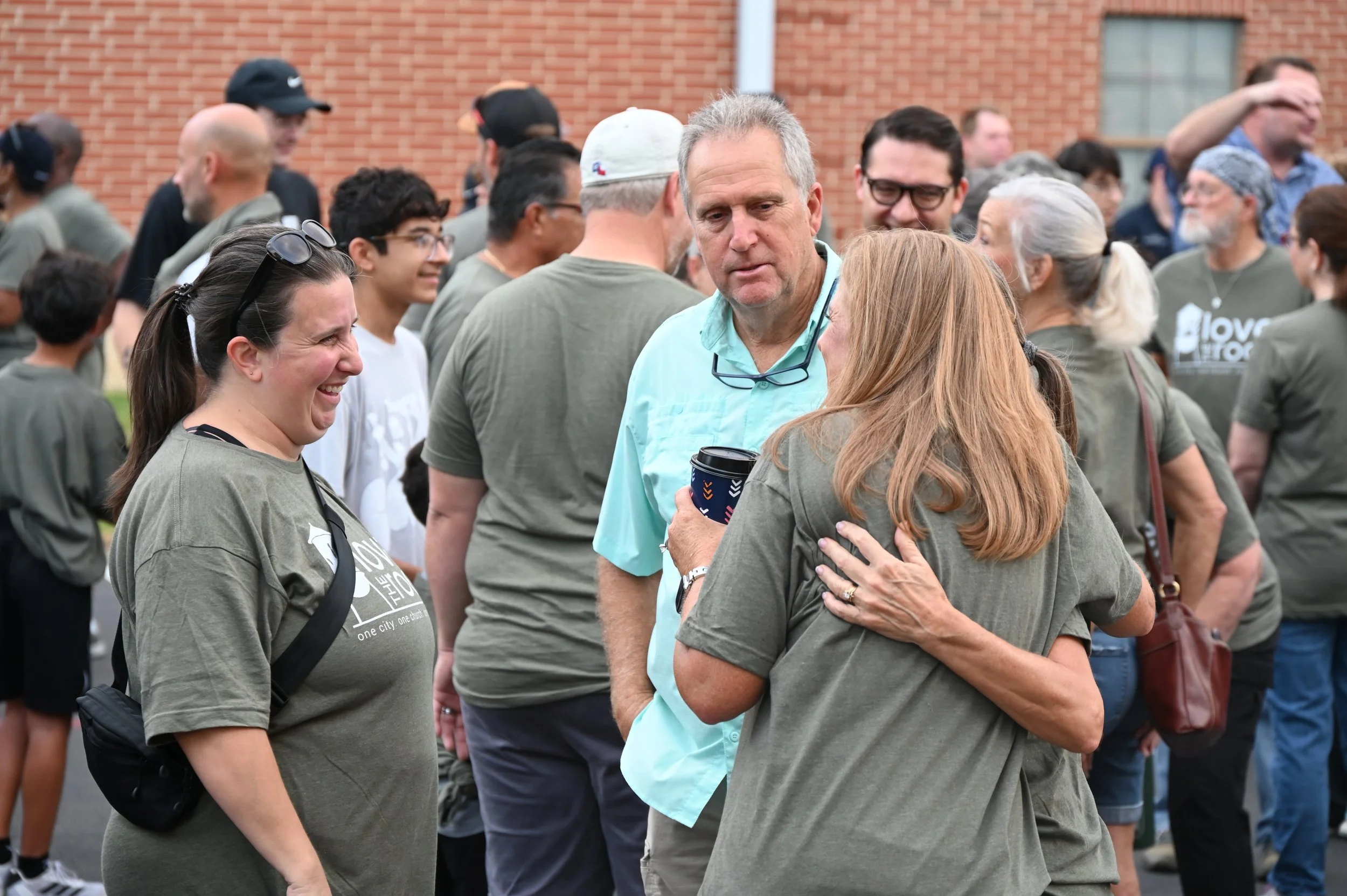
What began as one church serving alongside the city quickly expanded into a multi-church movement called “Love the Rock.” Initial projects involved around 100 volunteers helping repair homes and clean neighborhoods. Over time, that grew into 40 churches mobilizing 1,000–1,500 volunteers for citywide service projects.
The Results
Annual Impact:
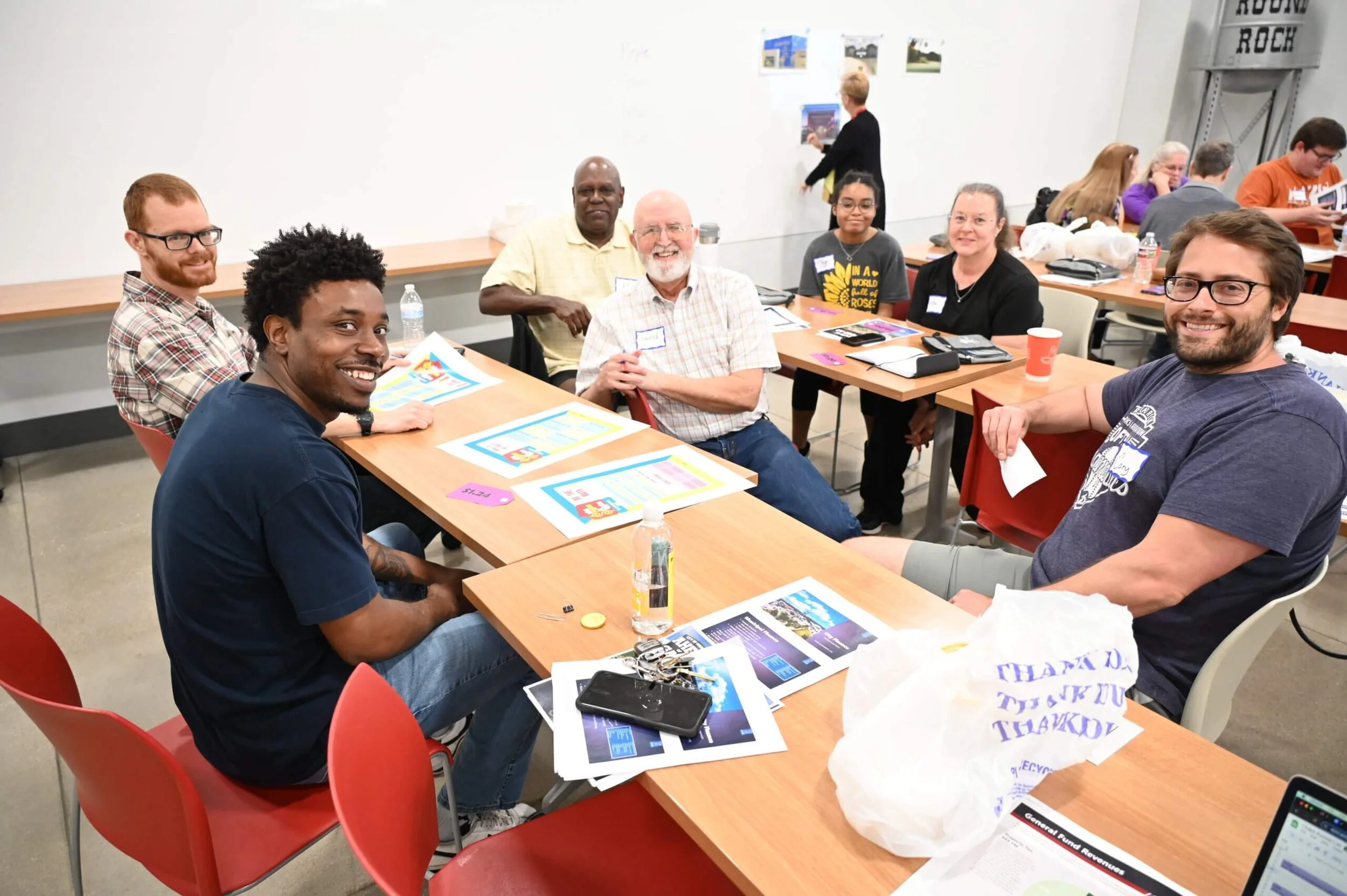
Environmental Code Cases dropped by 30% (because of the free tool depot resource)
23,774 pounds of litter picked up
Over 13,800 volunteers contributed $1,850,000 of estimated community value
Sustained Impact:
11+ years of volunteering and ongoing collaboration
240 graduates of the University Program
Increased cross-department engagement of volunteers (general services and others within the government structure) and local businesses (bidding out work too extensive for volunteers)
Community Recognition:
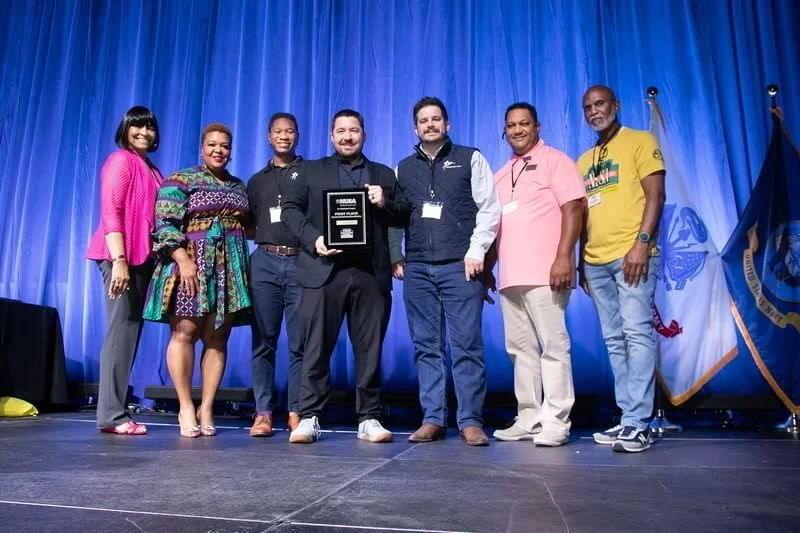
Won Best Neighborhood Program award from Neighborhoods USA, and presented at a their Conference.
Why Church Leaders Pay Attention to This Model
One of the strongest themes throughout these interviews was that citywide impact flowed from genuine pastoral unity—not the other way around. Existing relationships between pastors laid the groundwork long before major service projects existed. Pastor Mark Westerfield was highlighted as a leader who helped cultivate those long-term relationships among churches. The takeaway: projects do not create unity. Healthy relationships create effective projects.
For pastors and outreach leaders, this approach is uniquely “doable”:
The city defines real needs. No guessing and no duplication.
Volunteers get a clear win in a short, organized time window.
The mission stays simple: love neighbors in practical ways, in partnership with the city.
Trust grows naturally because the city and the church are serving the same people in the same neighborhoods.
Replication Notes: What Other Cities Can Copy
Start with what Round Rock proves:
A city doesn’t need to do everything, but it does need someone responsible for coordination and establishing trusted city-church communication channels
Start with Start with practical community needs. Tools + structure remove barriers for residents.
Build pastoral unity before launching projects. View churches as collaborative partners, not competitors. Serve with “no strings attached” while representing Christ well.
Programs should be repeatable, not heroic. Focus on long-term relationships, not one-time events
As Pastor Fresquez summarized: “It’s amazing what God could do if nobody gets the credit.”